TV Cable Concealment in Atlanta, GA
You invested in a beautiful wall-mounted TV -- but dangling HDMI cables, sagging power cords, and a tangle of wires running to the outlet below undo the entire look. Professional cable concealment transforms that eyesore into a clean, wire-free wall where the only thing visible is the screen itself. Express Mounting delivers code-compliant in-wall cable routing, power outlet relocation, and surface-mounted raceway solutions for every wall type across Metro Atlanta.
Why Atlanta homeowners trust Express Mounting for cable concealment? • 7,874+ TVs installed and wired across Metro Atlanta • Licensed low-voltage technicians for code-compliant installs • In-wall and surface-mount solutions for every wall type • Five-year craftsmanship warranty on all cable work • Same-week appointments with transparent flat-rate pricing
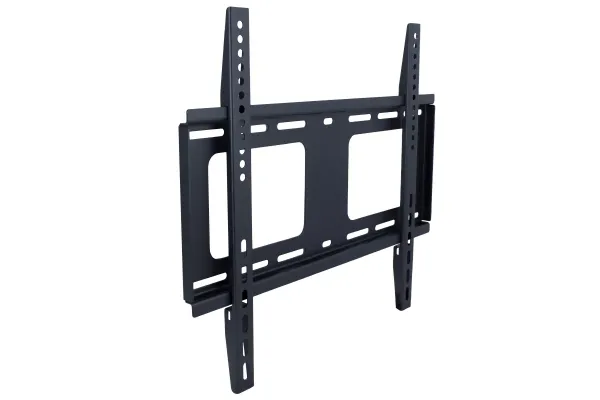
Invisible wiring for every wall-mounted TV
Cable concealment is not just cosmetic -- it is a safety and code-compliance issue. Extension cords run through wall cavities are a fire hazard and violate the National Electrical Code. Loose cables draped down a wall are a tripping risk for children and pets. Express Mounting eliminates both problems with solutions engineered for your specific wall construction, device setup, and aesthetic goals.
For standard drywall-over-stud construction, our go-to approach is full in-wall routing. We install a UL- listed recessed power kit behind the TV and a companion outlet behind your media console, then fish low- voltage cables (HDMI, Ethernet, optical audio, coax) through the wall cavity between them. Power travels through its own dedicated Romex run or through a listed power-relocation bridge, keeping high-voltage and low-voltage lines properly separated per code. For masonry, concrete, and exterior walls where in-wall routing is impractical, we install paintable surface-mounted raceways from Legrand or Wiremold that blend seamlessly with your wall color and trim. The result is always the same: a clean focal wall that looks like the TV was hardwired into the house from the day it was built.
In-Wall Cable Routing
Our primary concealment method hides every wire inside the wall. We cut precise openings for recessed low-voltage brackets behind the TV and behind your media furniture, then fish HDMI 2.1, Cat6 Ethernet, optical audio, and speaker wire through the cavity using flexible drill bits and glow rods. Fire blocks and horizontal bracing are navigated with an articulating bit that bends around obstacles. Each cable is individually labeled at both ends for easy future identification, and we leave a service pull string in the wall so additional cables can be added later without reopening the drywall.
Power Outlet Relocation
Plugging a TV into an extension cord inside a wall is a code violation and a fire risk. We install UL-listed recessed power kits like the PowerBridge TWO-CK or DataComm 45-0024 that provide a proper outlet behind the TV and an inlet near your existing wall receptacle. For new-construction homes and renovations, we can install a dedicated 15-amp circuit with a recessed outlet positioned exactly behind the TV's power cord entry point, eliminating exposed wiring entirely. Every power installation is tested with a circuit analyzer and documented for your records.
Paintable Cord Covers
When in-wall routing is not feasible -- on brick fireplaces, concrete basement walls, or exterior- facing insulated walls -- paintable surface raceways provide a clean alternative. We use Legrand CordMate or Wiremold channeling in sizes matched to the number of cables being concealed, securing them with construction adhesive or masonry screws depending on the surface. The channels are primed and painted to match your exact wall color using a sample swatch or paint code. From three feet away, most guests cannot distinguish the raceway from standard trim molding.
HDMI & Ethernet Management
Modern entertainment setups involve more than a single HDMI cable. Streaming boxes, gaming consoles, soundbars, cable boxes, and network switches all need signal paths to the TV. We plan cable routes that accommodate your current devices plus two spare conduit pulls for future additions. For long runs over 25 feet where HDMI signal degradation becomes a concern, we install active HDMI fiber- optic cables or HDMI-over-Ethernet baluns that maintain 4K HDR quality up to 230 feet. Cat6 Ethernet drops provide reliable hard-wired internet to streaming devices, reducing buffering and latency compared to Wi-Fi.
Multi-Room and Whole-Home Wiring
Mounting TVs in multiple rooms? We design a whole-home wiring plan that runs all signal and power cables to a central media closet or equipment rack, keeping every room's walls clean and every device centrally managed. A single rack can house your router, streaming devices, game consoles, and A/V receiver, with HDMI or Cat6 distribution sending signals to screens in the living room, bedroom, patio, and home gym. This centralized approach simplifies troubleshooting, reduces clutter in living spaces, and makes future upgrades as easy as swapping a cable at the rack.
In-wall vs. surface-mount concealment methods
In-wall concealment is the gold standard. Cables disappear completely inside the wall cavity, and a recessed power kit provides a code-compliant outlet behind the TV. This method works on standard drywall- over-wood-stud walls and interior partitions. It requires cutting small openings behind the TV and behind the media console, fishing cables between them, and patching or covering the openings with flush-mount plates. The result is a perfectly clean wall with zero visible wiring. Surface-mount concealment uses paintable raceways -- slim channels that attach to the wall surface and carry cables from the TV to the nearest outlet or furniture. This method is necessary for brick, stone, concrete, and exterior walls where cutting into the cavity is impractical or impossible. Modern raceways are slim, paintable, and available in right-angle fittings that follow wall contours precisely. While not as invisible as in-wall routing, a well-installed and color-matched raceway is barely noticeable from normal viewing distance and dramatically cleaner than exposed cables.
Code compliance and electrical safety
The National Electrical Code (NEC) and City of Atlanta building standards have specific rules about running cables inside walls. The most important: you cannot run a standard power cord or extension cord through a wall cavity. Power must travel through Romex (NM-B) wire installed by a licensed electrician, or through a UL-listed power-relocation kit that bridges an existing outlet to a new recessed outlet behind the TV. Low-voltage cables like HDMI, Ethernet, coax, and speaker wire are permitted inside walls without conduit in residential construction, but they must be CL2 or CL3 rated (marked on the cable jacket). Express Mounting uses only code-compliant hardware and CL-rated cables on every job. Our technicians hold City of Atlanta low-voltage licenses and are trained to identify situations that require a licensed electrician for the power portion of the install. We never cut corners on safety, and every installation is photographed and documented for your records.
Power outlet options for wall-mounted TVs
There are three main approaches to powering a wall-mounted TV without visible cords. The first is a power-relocation kit like the PowerBridge TWO-CK, which provides a recessed outlet behind the TV and a companion inlet behind your furniture that plugs into an existing wall outlet. The two are connected by Romex inside the wall -- no extension cords, fully code-compliant. The second option is a dedicated circuit: an electrician runs a new 15-amp line from your breaker panel to a recessed outlet positioned precisely behind the TV. This is ideal for high-draw setups with multiple devices or for walls where no existing outlet is nearby. The third option is a cord-cover raceway that routes the power cable along the wall surface inside a paintable channel. This is the fastest and least invasive method, suitable for renters or situations where opening the wall is not desirable. We discuss all three options during your consultation and recommend the best fit for your wall type, device count, and budget.
Planning for future devices and upgrades
The worst time to run new cables is after the wall has been patched and painted. That is why every Express Mounting concealment job includes future-proofing by default. We install conduit or pull strings inside the wall so additional HDMI, Ethernet, or speaker cables can be added later without reopening the drywall. We also recommend running one or two spare cables during the initial install -- the incremental cost is minimal compared to a return visit. If you are planning a soundbar, a gaming console, or a second streaming device in the near future, we can pre-wire for those during the same appointment. For whole-home setups we install structured wiring panels with Cat6 patch bays and HDMI distribution, giving you a scalable backbone that supports 4K today and 8K tomorrow.
Cable concealment for existing TV mounts
Already have a TV mounted on the wall but never got around to hiding the cables? We handle retrofit concealment jobs every week across Atlanta. Whether your TV was mounted by another company, by a handyman, or as a DIY project, we can add in-wall cable routing and a recessed power kit without disturbing your existing mount. In most cases we do not even need to remove the TV -- we work around it, cutting access holes below the mount and behind the furniture, fishing cables, and finishing with flush plates. The typical retrofit takes 60-90 minutes and the visual transformation is dramatic. If your current mount is wobbling, crooked, or improperly anchored, we can re-secure or replace it during the same visit for a bundled price.
Ready to eliminate every visible cable?
Fill out our quick form or call to schedule your free in-home assessment. Express Mounting will design a code-compliant, invisible cable solution for your wall-mounted TV -- backed by our five-year craftsmanship warranty.