
SYLVOX In Stock
SYLVOX 43 Inch Outdoor TV, Weatherproof Google TV, IP56 Waterproof TVs | 4K UHD 700NIT High Brightness, Temperature-Resistant, Anti-Scratch, Suitable for Partial Sun, Patio 3.0 Series
$949.00 View on Amazon
After 9,747+ TV installs since 2015, here are the outdoor products we install most, and the ones we won't touch. What we reach for: SunBriteTV Veranda Series for deep covered porches, Furrion Aurora for full-sun pool decks, and a Storm Shell Outdoor Enclosure when you want to run a standard TV under cover.
Alex Crabinsky, founder of Express Mounting, picks this list from what survives on real Atlanta patios. Outdoor TV installations are completely different from indoor work - you're fighting weather, sunlight, temperature swings, and humidity. We've installed TVs on patios, by pools and in outdoor kitchens. Here's what we've learned: regular TVs die fast outdoors, even in covered areas. You need either a purpose-built outdoor TV (expensive but reliable) or an outdoor TV enclosure protecting a standard TV. Every component matters - the mount must be stainless steel or marine-grade, cables need weatherproof sealing, and power requires GFCI protection. Done right, outdoor TVs transform your patio into an entertainment destination. Done wrong, you're replacing equipment every year. Let us show you what actually survives Georgia weather.
Updated
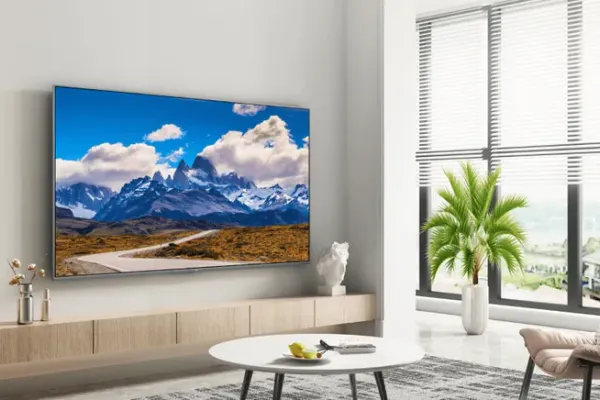
An outdoor-rated TV, an enclosure for an indoor set, a SunBriteTV outdoor mount and a cover.
As an Amazon Associate, we earn from qualifying purchases. Prices as of Oct 19, 2026, 12:16 PM EDT. Product prices and availability are accurate as of the date/time indicated and are subject to change. Any price and availability information displayed on Amazon.com at the time of purchase will apply to the purchase of this product.

Purpose-built outdoor TVs are engineered from the ground up for outdoor use. They feature sealed enclosures that keep out moisture, insects, and debris. Anti-glare screens that remain visible in bright sunlight. Temperature-rated components that handle freezing winters and scorching summers. Yes, they cost 3-4x more than indoor TVs of the same size - but they're designed to last 10+ years outdoors where a regular TV might survive 6 months. For permanent outdoor installations, especially in exposed locations, purpose-built outdoor TVs are worth the investment. Brands like SunBriteTV and Furrion have dominated this space for years with proven durability.

Best forDeep covered porches
Built for full-shade covered spots
Shop on Amazon
Best forPermanent outdoor installs
Sealed, temperature-rated construction
Shop on Amazon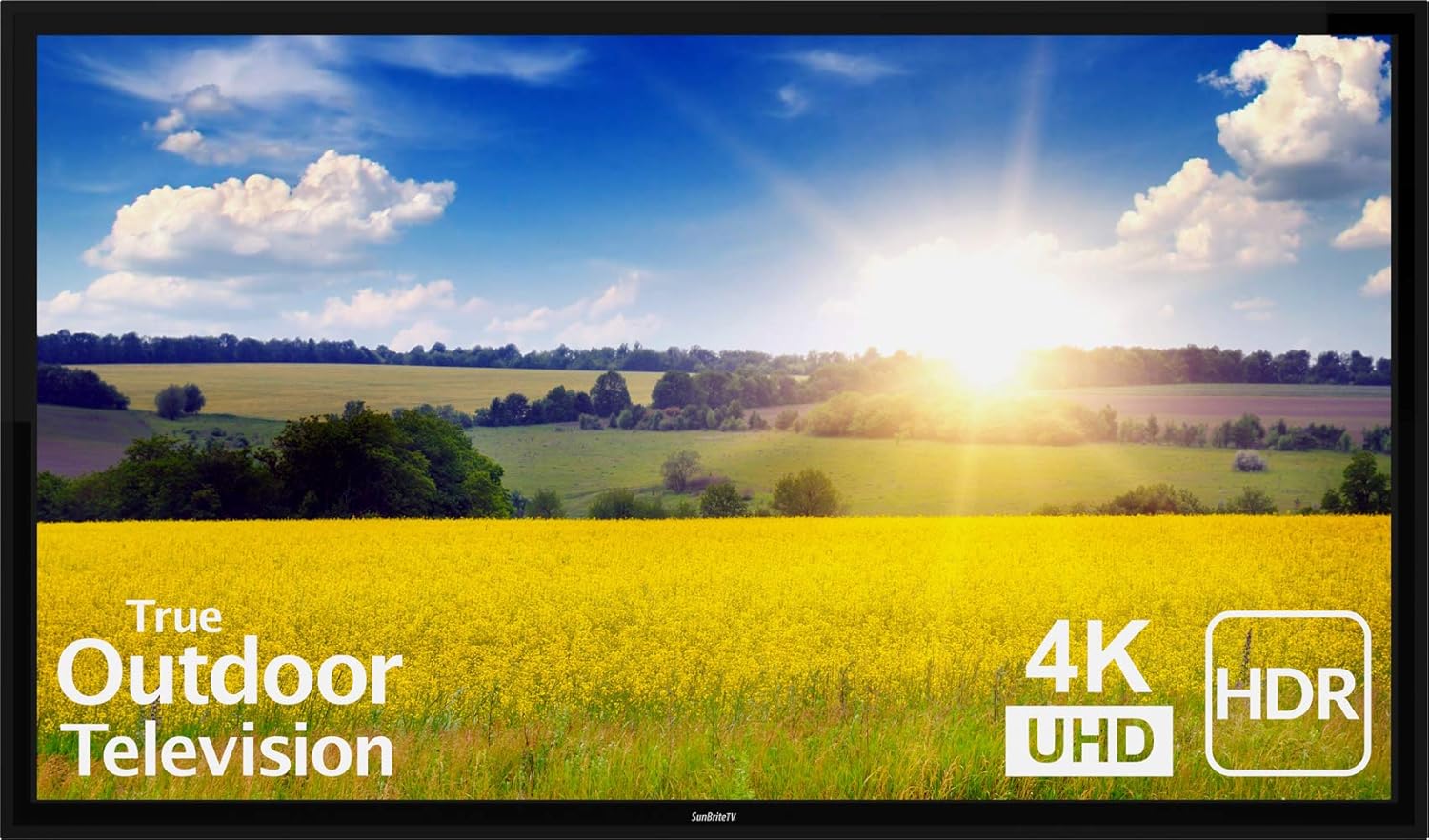
Best forDirect sunlight viewing
The 1000+ nit tier for full sun
Shop on Amazon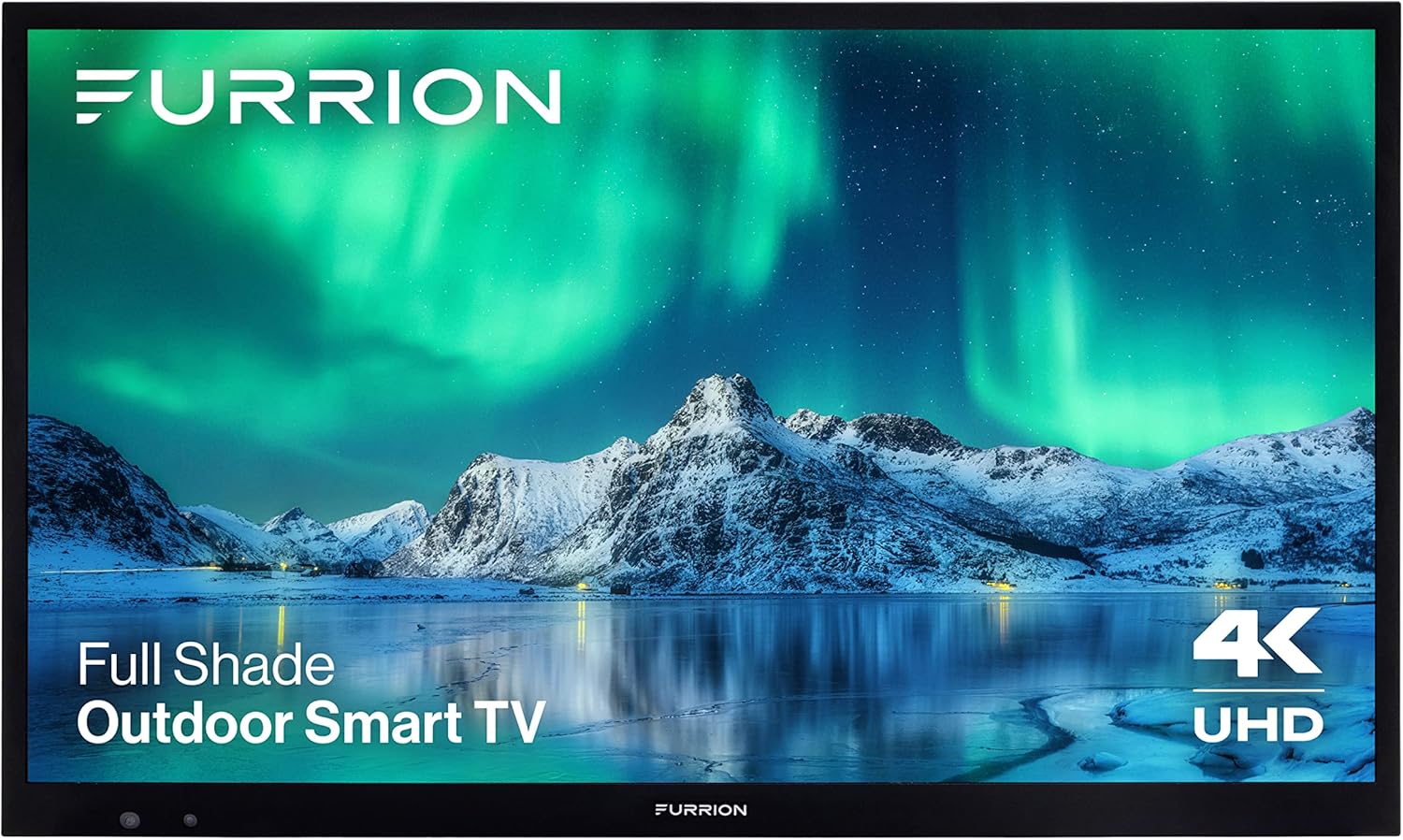
Best forWest-facing pool decks
Full Sun model for direct Georgia sun
Shop on Amazon💡 Brightness Guide: 400 nits = full shade only | 700 nits = partial sun/covered patio | 1000+ nits = direct sunlight viewing
Outdoor TV enclosures let you use a regular indoor TV outside by providing weatherproof protection. They're significantly cheaper than buying a purpose-built outdoor TV - you can protect a $500 TV with a $300-500 enclosure instead of spending $2,000+ on an outdoor-specific model. Quality enclosures feature sealed gaskets, tempered glass fronts, ventilation systems to prevent overheating, and locking mechanisms for security. They work great in covered patios, screened porches, and semi-protected locations. For fully exposed installations, purpose-built outdoor TVs are still better - enclosures can handle rain but struggle with extreme temperature swings and constant sun exposure.

Best forScreened porches and lanais
Lets a standard TV live outside
Shop on Amazon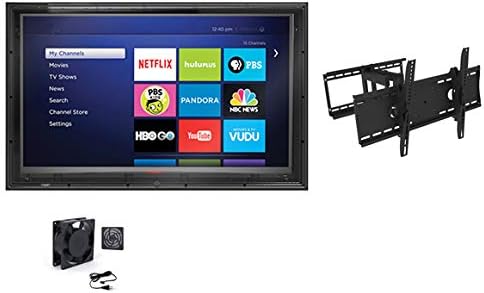
Best forCovered patios
Sealed gaskets with tempered glass front
Shop on Amazon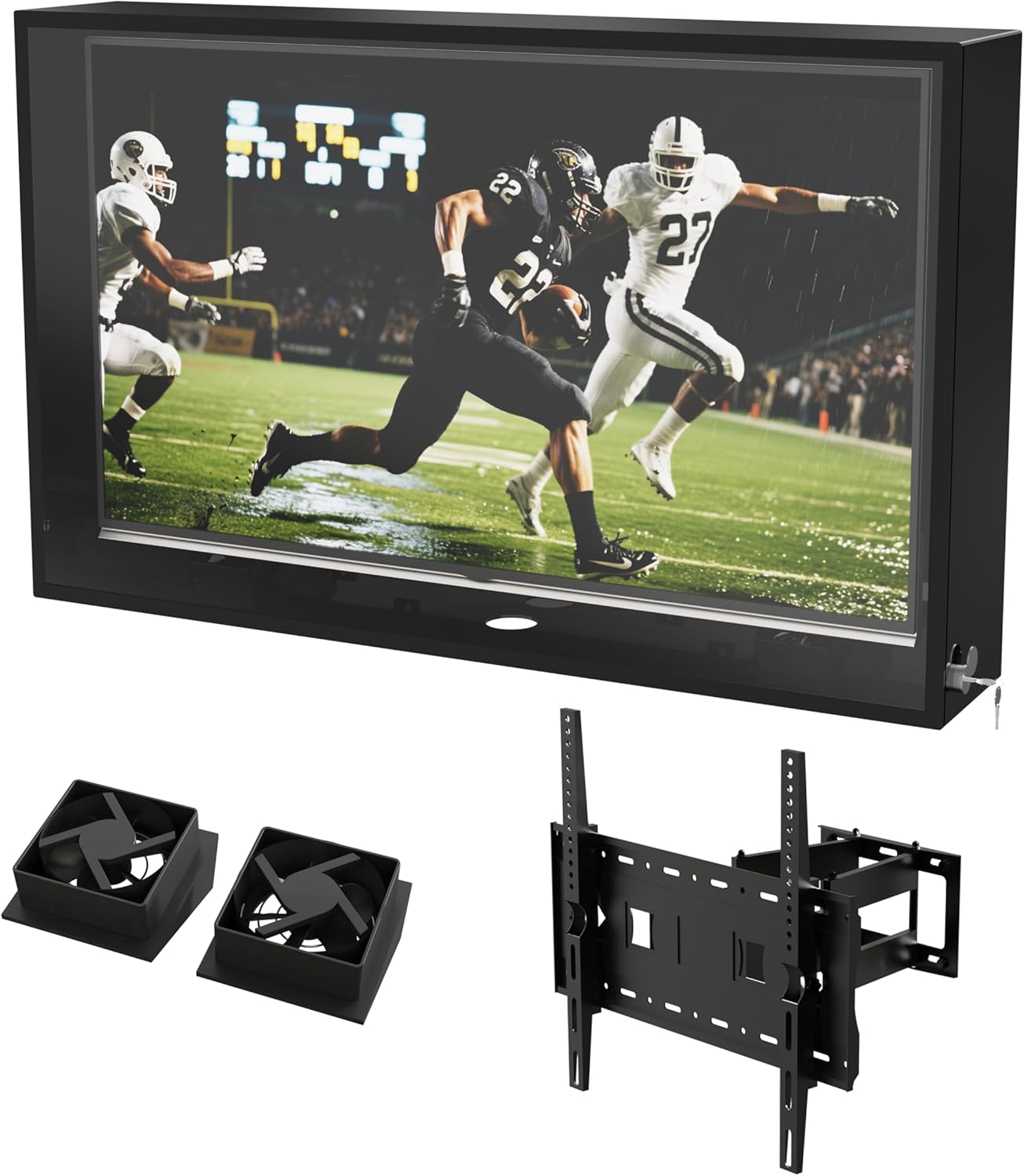
Best forSemi-protected locations
Size it 2-3 inches over the TV
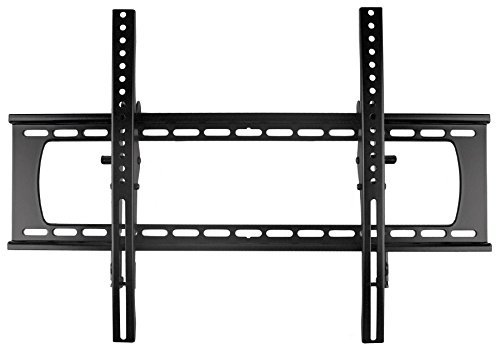
Shop on AmazonStandard TV mounts will rust and fail outdoors - you need mounts specifically designed for outdoor use. Look for stainless steel or powder-coated construction, marine-grade hardware, and weatherproof ratings. Outdoor mounts cost more than indoor equivalents, but the price difference is nothing compared to replacing a mount that rusted through after one season. We only use outdoor-rated mounts for exterior installations, even in covered areas where humidity and temperature swings still take their toll on standard hardware.

Best forArticulating outdoor installs
Lock the arm when not in use
Shop on Amazon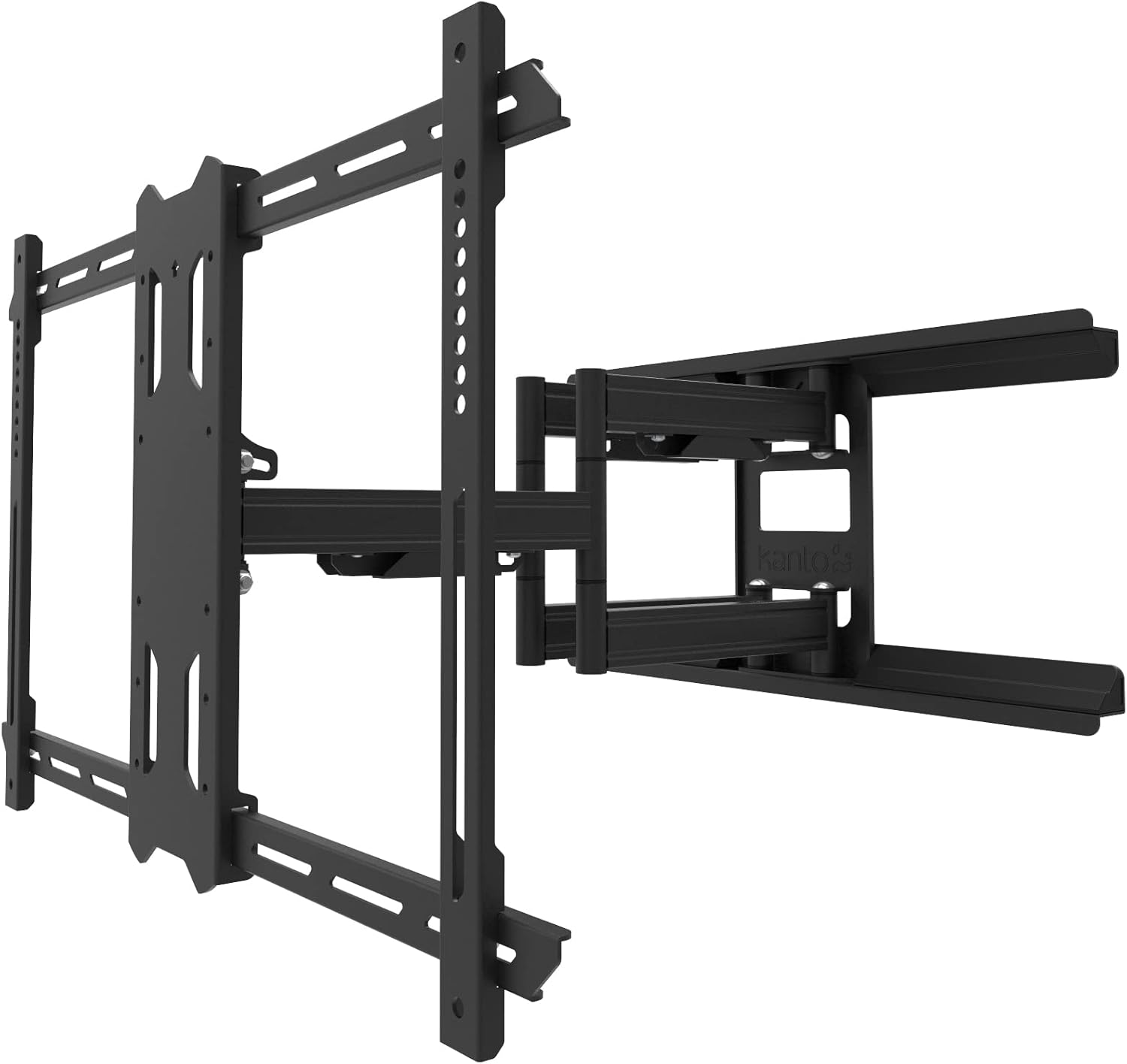
Best forFixed wall installs
Pair with stainless lag bolts
Shop on Amazon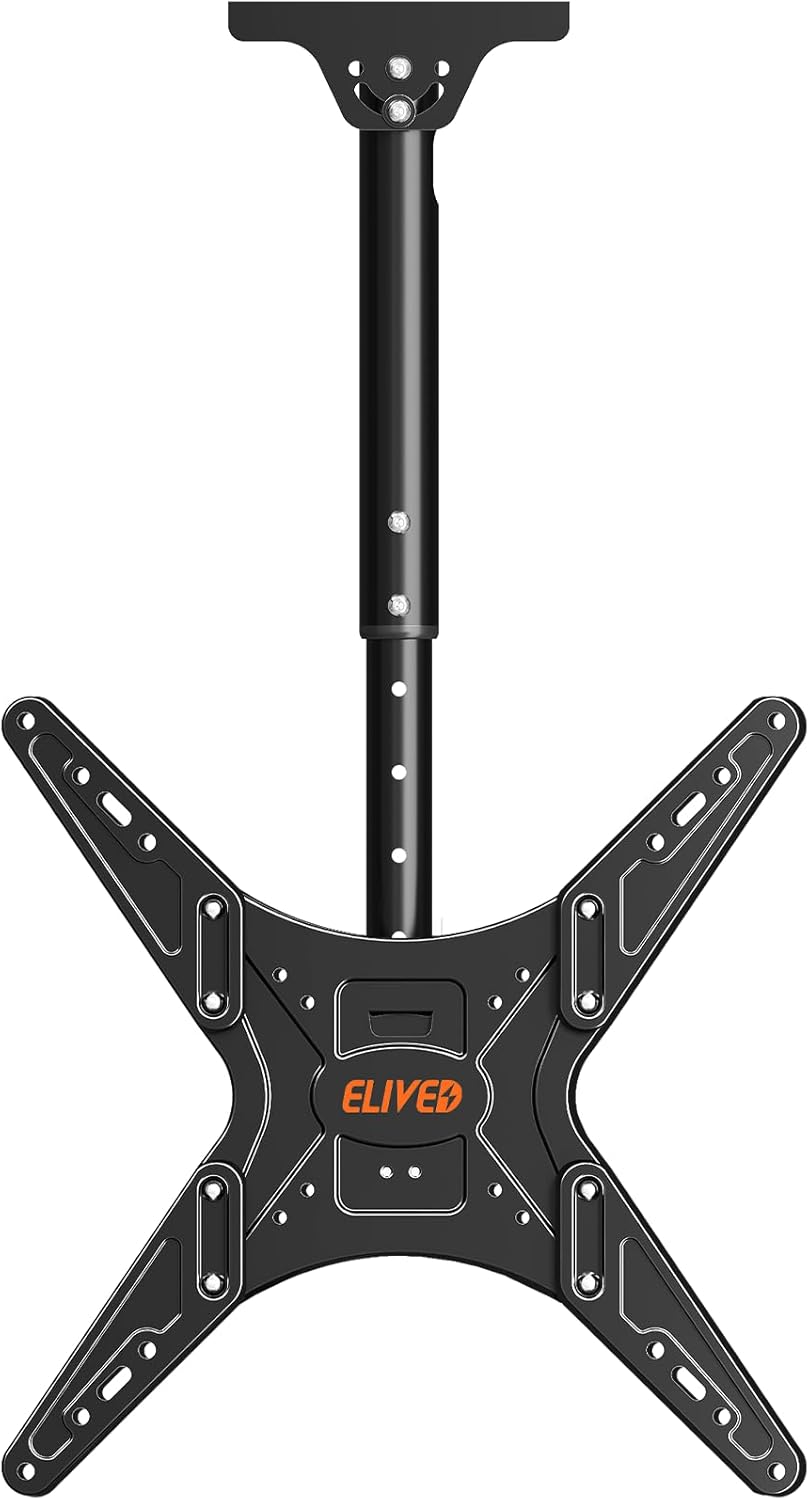
Best forUnder-roof patio ceilings
Thread sealant on all fasteners
Shop on Amazon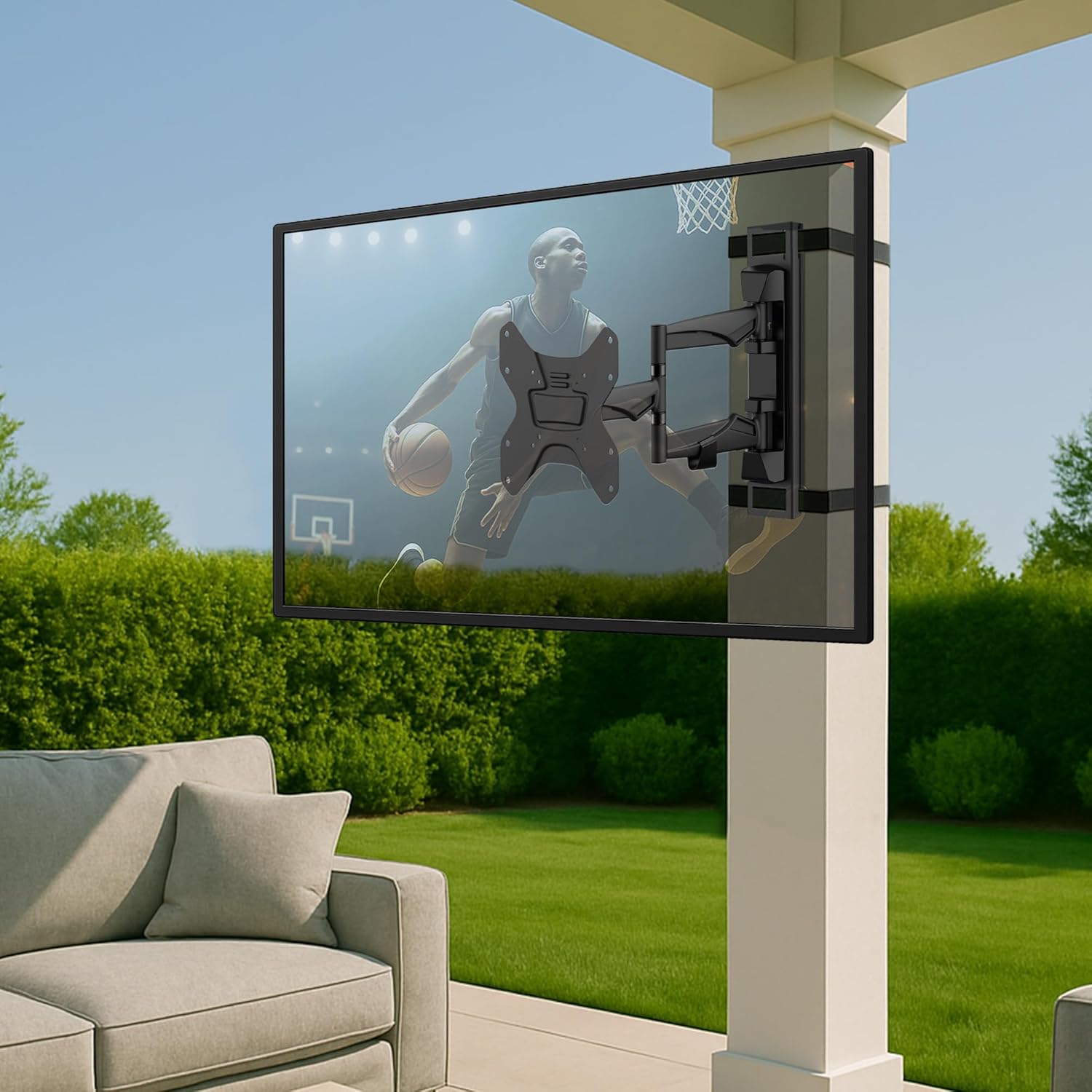
Best forPools and outdoor kitchens
Positions the TV away from walls
Shop on AmazonOutdoor electrical work requires GFCI protection - it's code and it's essential for safety around water. All outdoor outlets must be weather-rated (WR designation) with appropriate covers. Cable runs need weatherproof conduit or direct burial rated cables. We seal every cable penetration with silicone to prevent water intrusion. Outdoor installations often require longer cable runs to reach equipment inside the house, so signal quality matters more. Use quality HDMI cables or consider wireless video transmission for long runs.
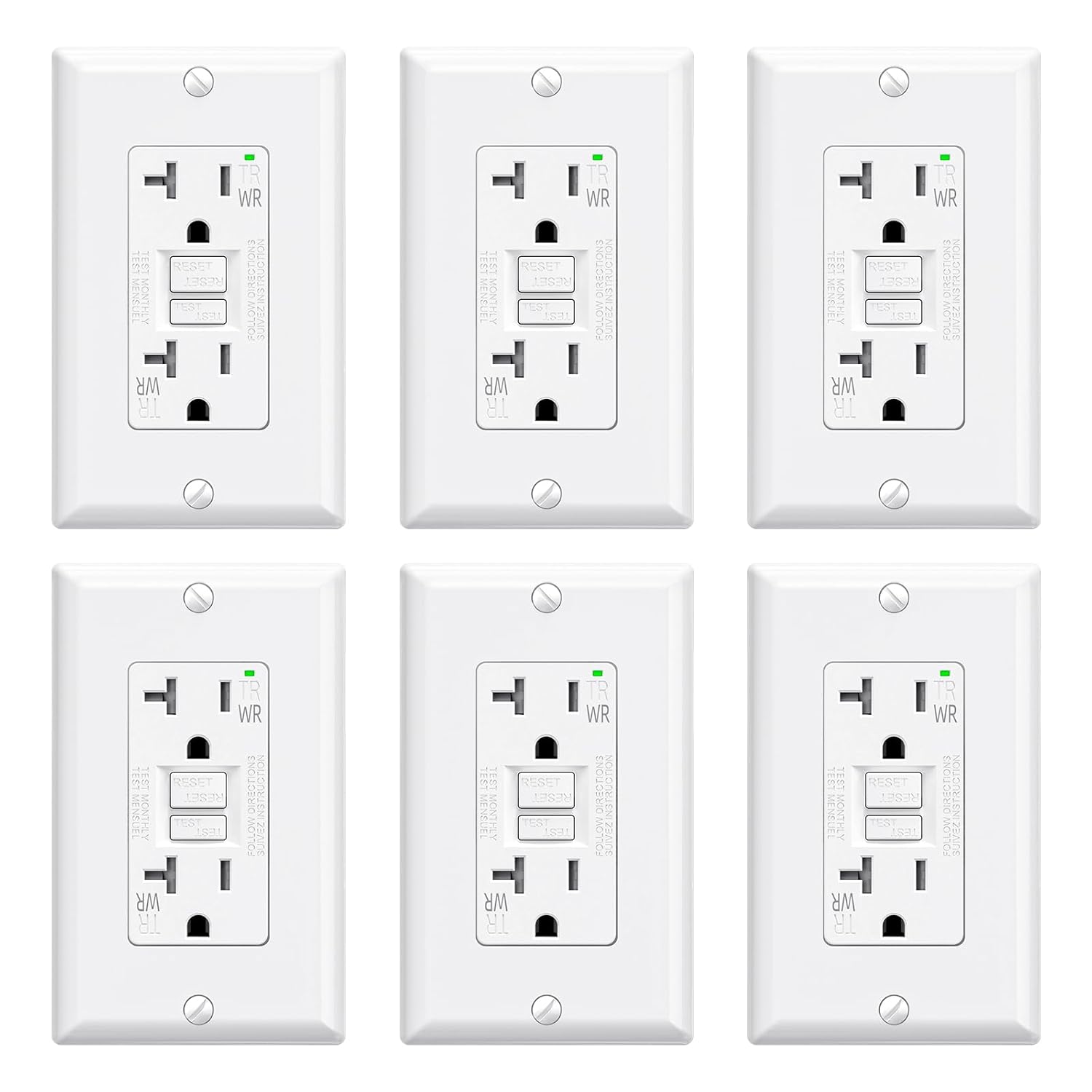
Best forCode-required outdoor power
Pick an in-use style cover
Shop on Amazon
Best forLong runs to indoor gear
Run it inside weatherproof conduit
Shop on Amazon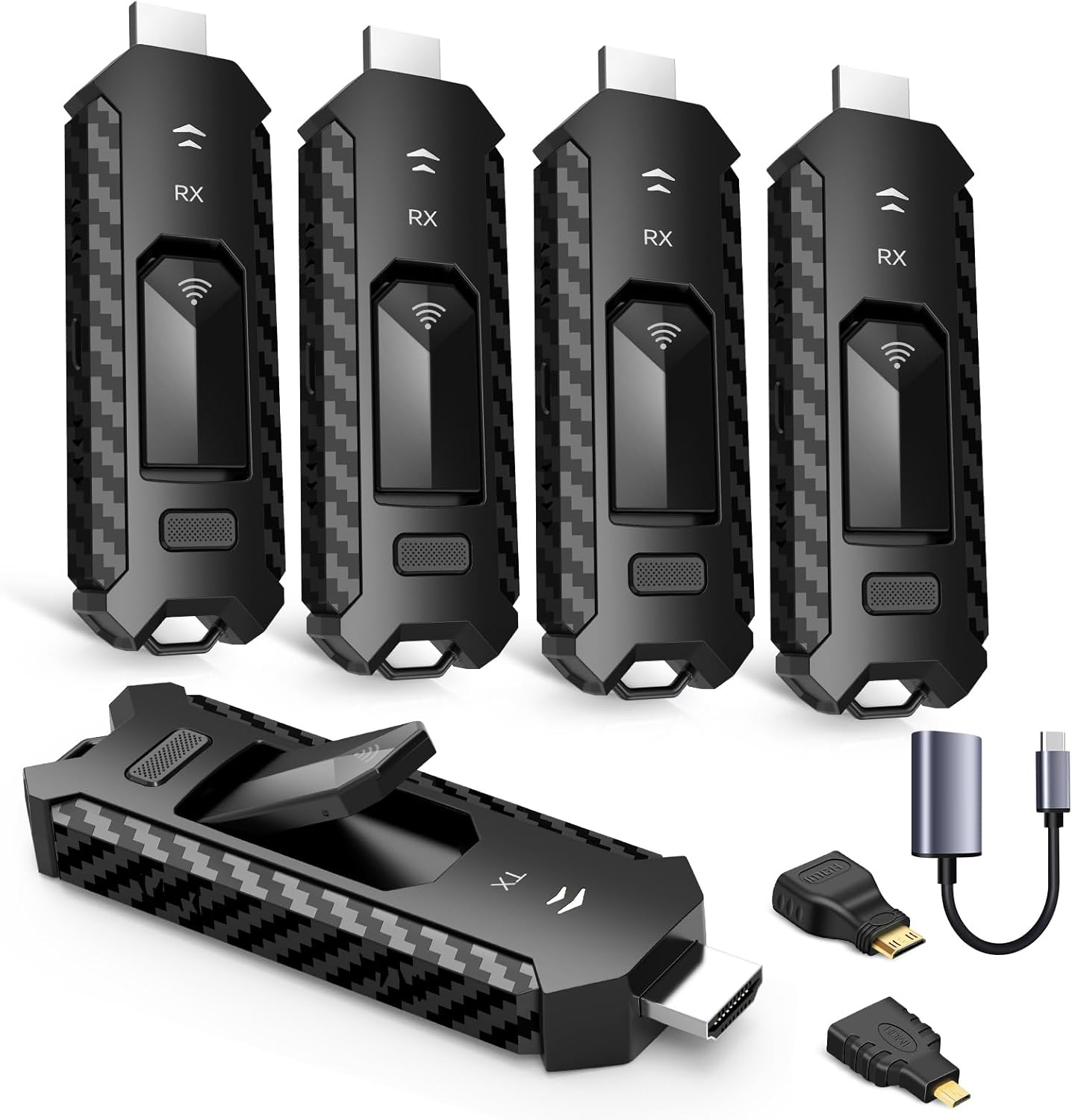
Best forSkipping the cable run
Signal option for the longest runs
Shop on Amazon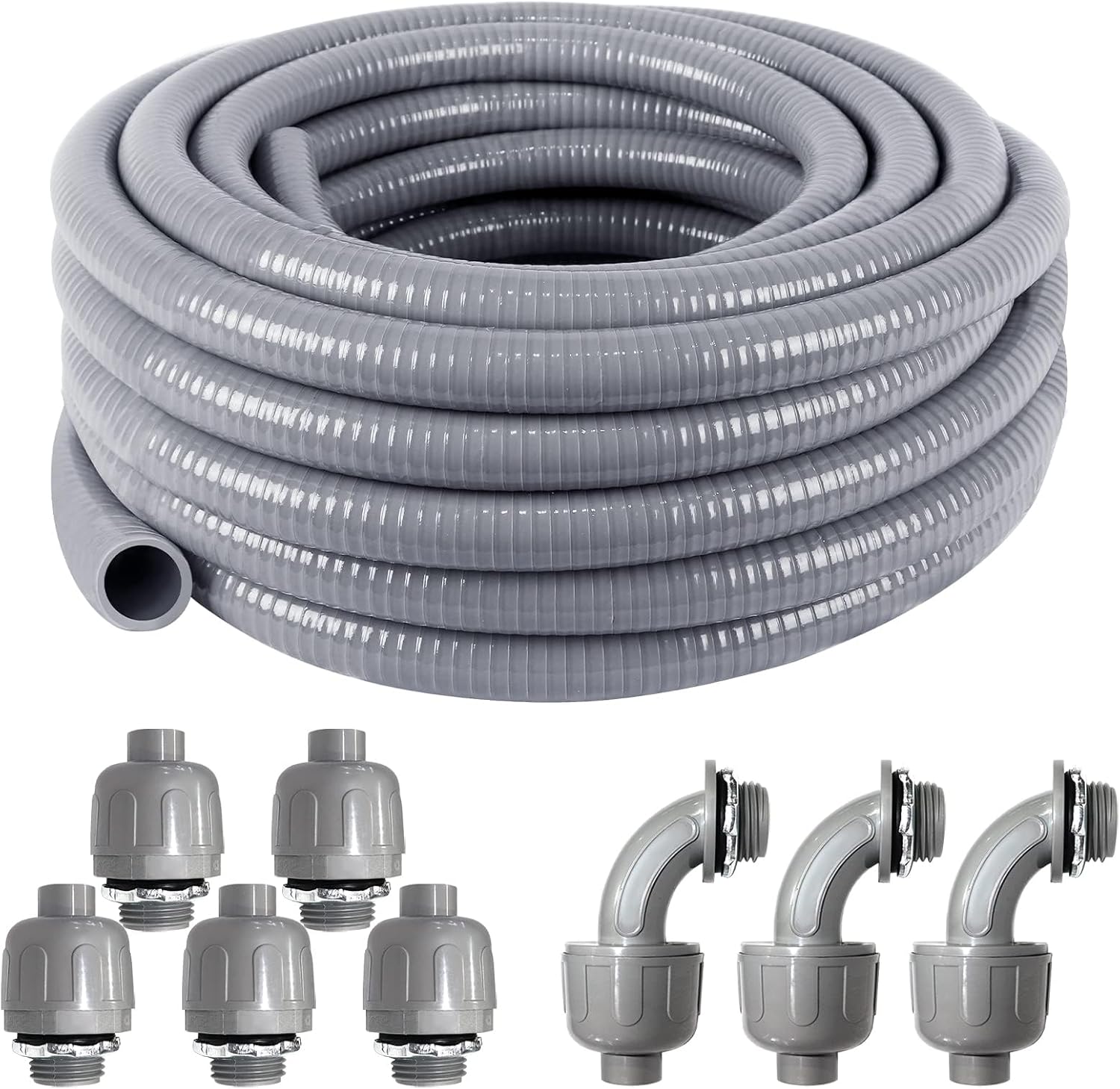
Best forExterior cable protection
We silicone-seal every penetration
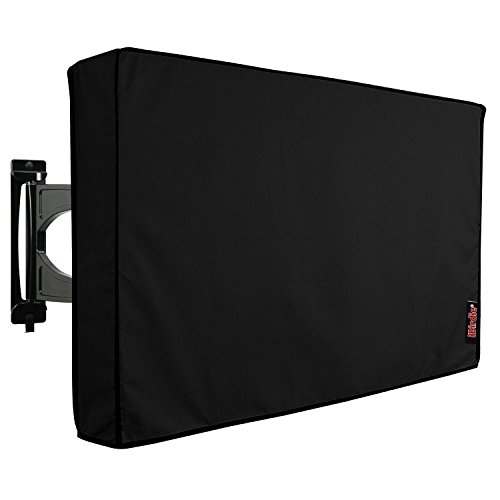
Shop on AmazonEven weatherproof outdoor TVs benefit from covers when not in use. Covers protect against UV degradation, pollen, bird droppings, and debris. For standard TVs in enclosures, covers add an extra layer of protection. Quality covers feature breathable materials that prevent moisture buildup, UV-resistant fabrics that won't degrade in sunlight, and secure fastening systems that won't blow off in wind. They're cheap protection for expensive equipment.

Best forOff-season protection
Breathable fabric prevents moisture buildup
Shop on Amazon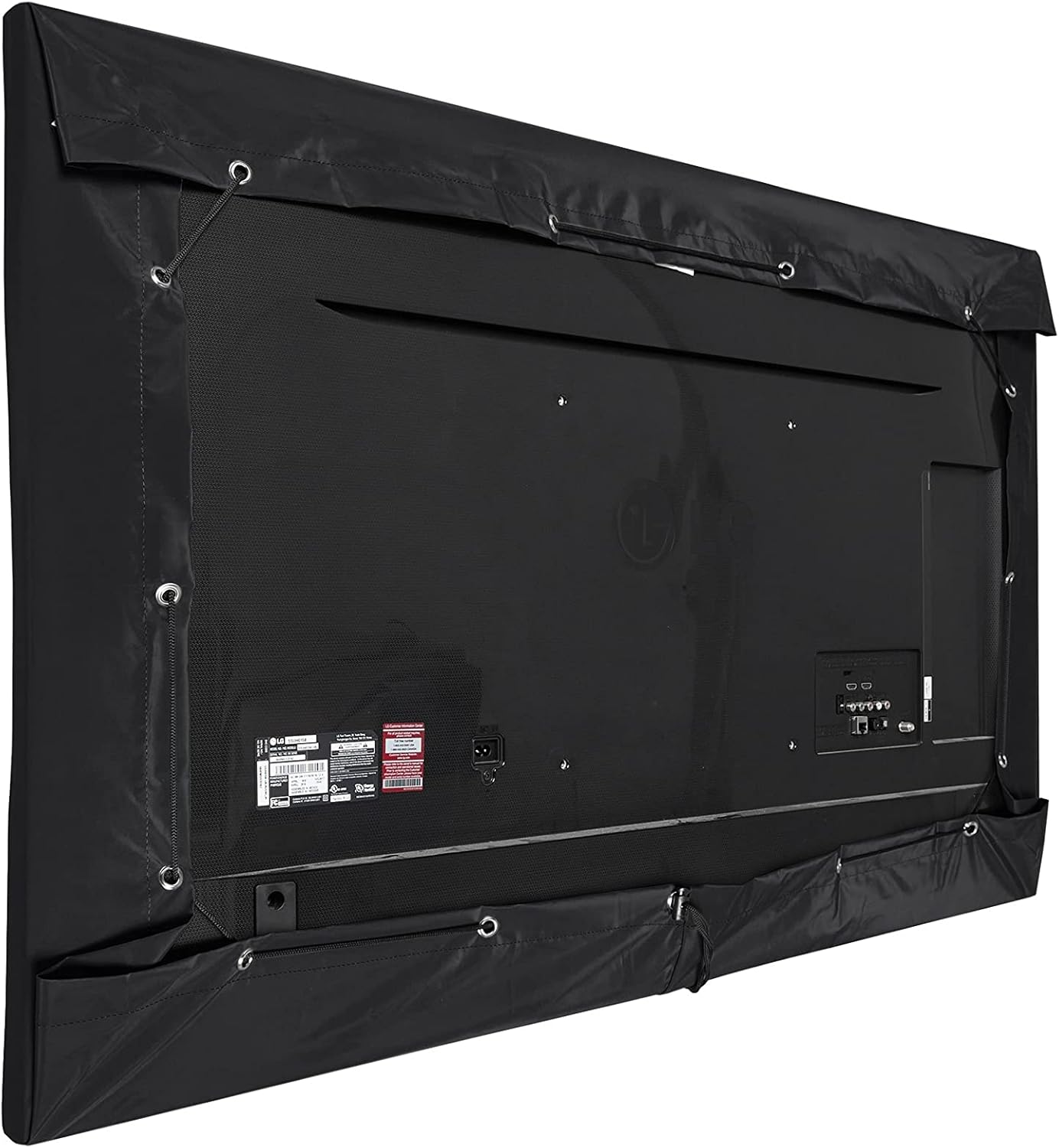
Best forYear-round covering
Measure the TV with its mount
Shop on AmazonOutdoor TVs need outdoor speakers - built-in TV speakers don't cut it in open-air environments where sound disperses quickly. Outdoor speakers are weatherproof, designed for open spaces, and can handle the elements year-round. Rock speakers blend into landscaping, mounted speakers attach to structures, and soundbars designed for outdoor use provide focused audio. Plan your audio solution during installation - running speaker wire after the fact is much harder than doing it right the first time.

Best forSpeakers mounted to structures
Weatherproof for year-round exposure
Shop on Amazon
Best forHiding speakers in landscaping
Run speaker wire during the install
Shop on Amazon
Best forFocused audio at the TV
Designed for open outdoor spaces
Shop on AmazonOutdoor TV is a brightness-and-weather problem before it is a mounting problem: full-sun patios need 1,000+ nit purpose-built panels like SunBrite, while covered spots can run an indoor set inside a rated enclosure. Mount-side, our outdoor installs use the standard $129-$399 pricing, plus $99 on masonry and $99 in-wall or $79 raceway to hide the cable; enclosures are quoted.
Quick note: This page contains Amazon affiliate links. We may earn a small commission at no extra cost to you if you buy through them. Our picks are the hardware our crews install on real customer walls, not spec-sheet guesses.
After 9,747+ TV installs since 2015, Alex Crabinsky’s crew has installed the common outdoor configurations: outdoor TVs under deep porches, full-sun units on west-facing pool decks, enclosures on screened lanais and pole-mounted setups for outdoor kitchens. We’ve also replaced plenty of indoor TVs that homeowners tried to use under cover. The verdict from 10 years of Georgia weather is unambiguous: spend the money on a purpose-built outdoor unit or a quality enclosure, mount it to stainless hardware, run conduit-protected cable, and you will get a decade of trouble-free service.
Metro Atlanta’s climate is uniquely punishing for outdoor electronics. We average 217 sunny days a year, but we also get 50+ inches of annual rainfall, summer humidity that hovers near 90%, and roughly 50 thunderstorm days that produce sudden temperature drops, hail, and lightning. Any outdoor TV install in this market has to plan for all four:
Outdoor installs often land on stone, brick, or stucco-over-block patio columns, which triggers our +$99 masonry surcharge on top of the base flat-rate ($129-$399 depending on TV size). Hiding the cable is $99 per TV inside the wall, or $79 in a surface raceway. A 65-inch outdoor TV on a stone column comes to $337 with a surface raceway ($159 + $99 masonry + $79 raceway), or $357 when the cable can go inside the wall ($159 + $99 + $99 in-wall concealment). Every install carries a 3-year workmanship warranty. We bring stainless steel anchors, masonry bits, and silicone-sealed conduit to every outdoor job - no Home Depot run mid-install. Call (470) 777-4077 to book, or to get a quote on an enclosure or a more complex pole or pergola mount.
Need professional installation in Metro Atlanta? Call (470) 777-4077 for same-day TV mounting service in 507 cities across our 15 US metros. Flat-rate pricing: $129-$399 basic, $99/TV cable concealment, +$99 masonry surcharge.
Technically yes, but indoor TVs often fail within a year in Metro Atlanta's humidity and pollen, even under cover, and we've seen them die on screened porches after a single summer. Either invest in a purpose-built outdoor TV (SunBriteTV, Furrion) or use a sealed outdoor enclosure rated for the temperature and humidity range your patio actually sees.
Full shade (north-facing covered patio): 400 nits is enough. Partial sun or open-sided covered patio: 700 nits. Direct Georgia sunlight (south- or west-facing pool decks): 1000+ nits, which means a SunBriteTV Pro or Furrion Aurora Full Sun. Atlanta gets 217 sunny days a year and the afternoon UV is brutal - underspec the brightness and the screen washes out from May through September.
Purpose-built outdoor TVs are sealed against rain, humidity, and pollen down to IP55 or better. Pollen season (March-May) coats screens with yellow film that scrubs off easily, but it can clog vents on regular TVs in enclosures - we recommend monthly wipe-downs March through May. Sudden afternoon thunderstorms are a non-issue for SunBriteTV or Furrion units. Surge protection on the GFCI feed is a must because Atlanta is in lightning territory.
Express Mounting flat-rate is $129-$399 for the basic install based on TV size, plus a $99 masonry surcharge when we drill into brick, stone, or stucco-over-block columns. Hiding the cable is $99 per TV inside the wall, or $79 in a surface raceway. A 65-inch outdoor TV on a stone column with the cable in a surface raceway comes to $337 ($159 base + $99 masonry + $79 raceway); enclosures are quoted separately.
Avoid west-facing walls without a deep overhang (afternoon glare and direct UV), spots inside the minimum distance from a pool edge that local code requires, unsealed wood structures that flex with humidity, and any spot where rain runoff from a roof line drips directly on the screen. We turn down installs at spots like these and recommend better positions instead.
Yes - outdoor mounts need corrosion-resistant hardware: 304 stainless inland, 316 marine-grade within about a mile of salt water. Articulating arms should be rated for wind load and locked when not in use. The mount also needs sealed wall penetrations so rain never tracks into the structure behind.
Technically yes, but it won't last long and isn't recommended. Regular TVs aren't designed for outdoor conditions - humidity gets inside and causes corrosion, temperature swings stress components, UV exposure degrades plastics and screens, and insects/debris find their way into vents. We've seen indoor TVs fail within 6 months to a year in covered outdoor spaces, faster in exposed locations. If you want to use a regular TV outside, put it in a proper outdoor TV enclosure that provides weatherproofing, ventilation, and temperature management. Enclosures cost $300-600 but can protect a $500 TV for years. For exposed locations or permanent installations, purpose-built outdoor TVs are the better investment despite higher upfront cost.
It depends entirely on your location's sun exposure. Full shade (covered patio, north-facing wall): 400 nits is sufficient - similar to a bright indoor TV. Partial sun (afternoon shade, covered but open sides): 700 nits provides comfortable viewing during bright conditions. Direct sunlight (poolside, south-facing): You need 1000+ nits to compete with direct sun - purpose-built outdoor TVs like SunBriteTV Pro series are designed for this. For comparison, typical indoor TVs are 250-400 nits. Many outdoor TV disappointments come from underestimating brightness needs. That 'covered' patio still gets plenty of ambient light that washes out a standard-brightness screen. When in doubt, go brighter than you think you need.
Glare is a major consideration for outdoor installations. Even with adequate brightness, reflections from sky, water, and surroundings can make screens hard to see. Solutions include: positioning the TV to avoid direct sunlight on the screen (north-facing is ideal), using anti-glare screen protectors or TVs with matte screens, installing a shade structure or awning to block direct light, and considering viewing times when planning placement. Outdoor TVs from manufacturers like SunBriteTV feature anti-glare coatings specifically designed for outdoor viewing. For pool areas especially, consider that water reflects light intensely - position TVs where pool reflections won't hit the screen.
Purpose-built outdoor TVs are rated for extreme temperatures (typically -24°F to 122°F) and designed to survive winter without covers. That said, covers extend lifespan by protecting against UV, snow accumulation, and debris - we recommend them for off-season protection. For indoor TVs in outdoor enclosures, covers are more important since the enclosure provides weatherproofing but doesn't address long-term UV exposure to the enclosure itself. In areas with heavy snow, ensure mounting is heavy-duty enough to handle any accumulated weight, and clear snow from covers to prevent moisture intrusion when it melts. Many outdoor TV owners bring their TVs inside for winter if removal is practical - it's the ultimate protection.
Yes, but it requires careful planning. Pool areas are among the most demanding outdoor environments - you have water, chlorine/salt exposure, direct sunlight, and high humidity. Requirements for pool-area installations: GFCI-protected power (mandatory by code near water), stainless steel or marine-grade mounting hardware, purpose-built outdoor TV or quality enclosure system, the minimum distance from the pool edge that local code requires (check it before you pick the spot), and positioning to minimize direct water splash exposure. Pole-mounted TVs work well for pools since they can be positioned away from walls while maintaining good viewing angles. Consider glare from water when choosing TV position. Pool TVs tend to need more frequent maintenance - plan for annual hardware inspection and cleaning.
At Express Mounting the outdoor mount is priced like any other: $129 up to 54 inches, $159 for 55-69 inches, $209 for 70-79 inches, $299 for 80-99 inches, $399 for 100 inches and up, plus $99 when the anchors go into brick, stone or stucco-over-block. Hiding the cable is $99 per TV inside the wall or $79 in a surface raceway. Enclosures, pole mounts with a concrete base and new outdoor circuits (a licensed electrician's job) are quoted separately. The outdoor TV or enclosure itself is extra: outdoor TVs run $1,500-5,000+, enclosures $300-700. DIY can reduce costs significantly if you're comfortable with the work, but outdoor electrical should always be handled by licensed electricians for safety and code compliance.
We install what we recommend.
Book the mount and we set up what you bought. Flat-rate TV mounting from $129 across 15 US metros.
Ready for outdoor entertainment? Browse the outdoor TVs, protective enclosures and all-weather mounts we recommend for patios and pool decks.